
Precision CNC Turned Components Are the Backbone of Modern Manufacturing
Introduction
Modern industries demand products that are compact, durable, accurate, and highly reliable. Whether it is automotive systems, medical devices, electronics, aerospace parts, or industrial machinery, precision engineering plays a critical role in product performance.
At the heart of this precision manufacturing ecosystem are CNC Turned Components.
CNC turned components are widely used because they provide:
✔ High dimensional accuracy
✔ Excellent surface finish
✔ Consistent quality
✔ Faster production efficiency
✔ Reliable performance in critical applications
Industries around the world rely on precision CNC turned parts to achieve high-performance manufacturing standards.
In this blog, we will explore:
- What CNC turned components are
- Their industrial importance
- Benefits of precision machining
- Applications across industries
- Why quality manufacturing matters
What Are CNC Turned Components?
CNC turned components are precision-engineered parts manufactured using CNC turning machines.
CNC stands for:
Computer Numerical Control
These machines rotate raw material while cutting tools shape the component with extreme precision.
CNC turning is commonly used to manufacture:
- Shafts
- Bushes
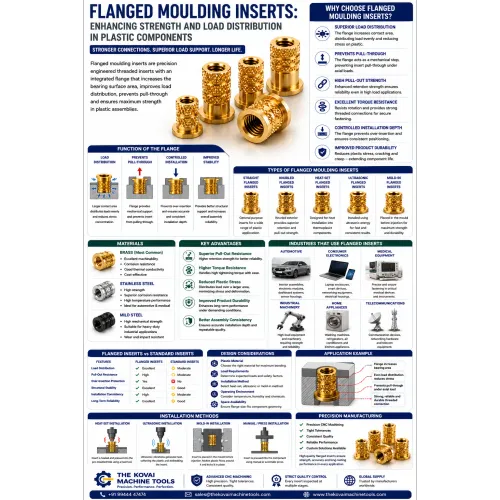
- Inserts
- Pins
- Fasteners
- Nuts
- Spacers
- Precision fittings
Why CNC Turning Is Important
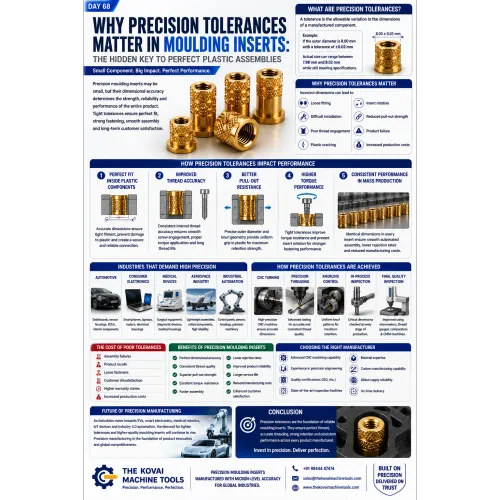
1. High Dimensional Accuracy
Precision industries require exact dimensions.
CNC turning provides:
✔ Tight tolerance control
✔ Repeatable accuracy
✔ Consistent part quality
This ensures perfect assembly performance.
2. Faster Production Efficiency
CNC machines operate automatically using programmed instructions.
Benefits include:
- Faster manufacturing
- Reduced manual errors
- High-volume production capability
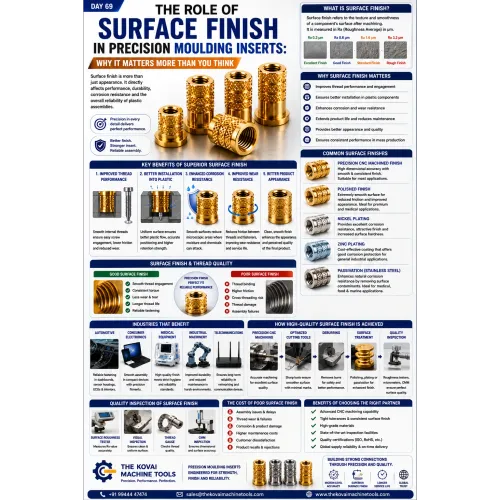
3. Excellent Surface Finish
Precision turned components offer:
✔ Smooth finishing
✔ Better appearance
✔ Reduced friction
✔ Improved functionality
4. Complex Shape Manufacturing
CNC turning can produce:
- Stepped profiles
- Threads
- Grooves
- Knurling
- Precision contours
with high consistency.
5. Better Product Reliability
Precision machining ensures:
✔ Proper fitment
✔ Improved durability
✔ Long-term performance
Materials Used for CNC Turned Components
Brass
Used for:
- Electrical components
- Inserts
- Connectors
Benefits:
✔ Corrosion resistance
✔ Excellent machinability
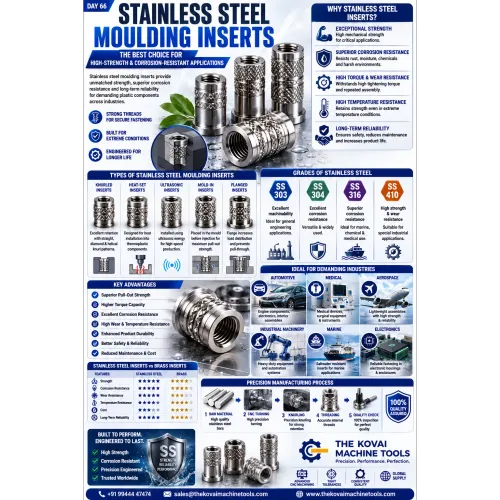
Stainless Steel
Used in:
- Medical applications
- Industrial machinery
- High-strength components
Benefits:
✔ High durability
✔ Corrosion resistance
Aluminum
Used for:
- Lightweight applications
- Automotive systems
- Aerospace components
Benefits:
✔ Low weight
✔ Good strength
Mild Steel & Alloy Steel
Used in:
- Automotive parts
- Heavy-duty machinery
- Structural applications
Common CNC Turning Operations
External Turning
Used to create:
- Cylindrical profiles
- Stepped diameters
Thread Cutting
Creates:
- Internal threads
- External threads
for fastening applications.
Knurling
Improves:
✔ Grip strength
✔ Assembly handling
Drilling & Boring
Used for:
- Internal holes
- Precision diameters
Industries Using CNC Turned Components
Automotive Industry
Used in:
- Shafts
- Fasteners
- Engine components
- Transmission systems
Electrical & Electronics
Used in:
- Brass inserts
- Connectors
- Precision terminals
Aerospace Industry
Used in:
- Lightweight precision components
- Structural assemblies
Medical Equipment
Used in:
- Surgical instruments
- Precision fittings
- Medical devices
Industrial Machinery
Used in:
- Machine assemblies
- Hydraulic systems
- Automation equipment
Benefits for Manufacturers
Precision CNC turning helps manufacturers achieve:
✔ Reduced production errors
✔ High-speed manufacturing
✔ Consistent product quality
✔ Lower rejection rates
✔ Better customer satisfaction
Benefits for End Customers
Customers benefit from:
✔ Reliable product performance
✔ Long service life
✔ Better assembly quality
✔ Reduced maintenance issues
Importance of Quality Control
High-quality CNC turned components require:
- Precision inspection
- Tight tolerance monitoring
- Surface finish evaluation
- Thread accuracy testing
- Material quality verification
Quality control ensures:
✔ Reliable operation
✔ Better product safety
✔ Long-term durability
Problems with Low-Quality Machined Parts
Poor-quality components may cause:
- Misalignment
- Fastening failures
- Excessive wear
- Leakage issues
- Reduced machine performance
This can increase:
- Maintenance costs
- Downtime
- Product failures
Future of CNC Precision Manufacturing
As industries move toward:
- Automation
- Electric vehicles
- Smart manufacturing
- Miniaturized products
the demand for precision CNC turned components continues growing rapidly worldwide.
Conclusion
Precision CNC turned components are essential to modern industrial manufacturing.
Their ability to deliver:
✔ High accuracy
✔ Reliable performance
✔ Excellent durability
✔ Consistent quality
makes them critical across multiple industries.
Choosing precision-manufactured CNC components ensures:
- Better product reliability
- Improved operational performance
- Long-term engineering success
Keywords