
Why M4 Rivet Nuts Are Essential for Strong Thin-Sheet Fastening Applications
Introduction
In modern manufacturing industries, many products are made using:
- Thin sheet metal
- Hollow sections
- Tubular structures
- Lightweight assemblies
Traditional fastening methods often fail to provide strong and reliable threads in these materials. This is where M4 rivet nuts become an ideal fastening solution.
M4 rivet nuts are widely used in industries such as:
- Automotive
- Electrical equipment
- Furniture manufacturing
- Industrial machinery
- Aerospace applications
Their ability to create strong internal threads in thin materials makes them highly valuable in modern engineering and assembly processes.
In this blog, we will explore:
- What M4 rivet nuts are
- Their advantages
- Industrial applications
- Why precision manufacturing matters
What Is an M4 Rivet Nut?
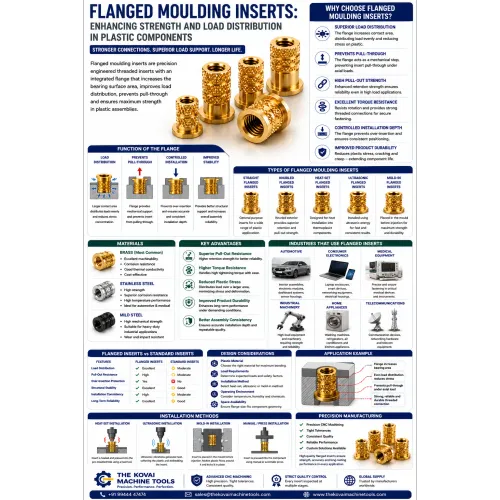
An M4 rivet nut is a threaded fastener designed to create strong internal threads in thin materials where normal tapping is not possible.
The “M4” refers to:
- Metric thread size
- 4 mm internal thread diameter
Rivet nuts are installed into pre-drilled holes using specialized tools that deform the backside of the fastener to lock it securely in place.
Why M4 Rivet Nuts Are Important
1. Strong Threads in Thin Materials
Thin sheet metal cannot hold strong threads by itself.
👉 M4 rivet nuts provide:
- Reliable internal threading
- Strong fastening capability
- Better load distribution
2. Easy Installation
Rivet nuts can be installed quickly without access to the backside of the material.
This improves:
- Assembly speed
- Production efficiency
- Maintenance convenience
3. Suitable for Lightweight Structures
Modern industries increasingly use lightweight materials.
M4 rivet nuts are ideal for:
- Aluminum sheets
- Thin steel panels
- Plastic housings
4. Vibration Resistance
Precision-installed rivet nuts provide secure fastening even in vibration-prone environments.
👉 Essential for:
- Automotive systems
- Industrial machinery
- Electrical enclosures
5. Supports Repeated Assembly
Unlike direct threading in soft materials, rivet nuts allow:
- Multiple assembly cycles
- Screw removal and reinstallation
- Longer service life
Common Materials Used for Rivet Nuts
Steel Rivet Nuts
- High strength
- Industrial applications
- Cost-effective solution
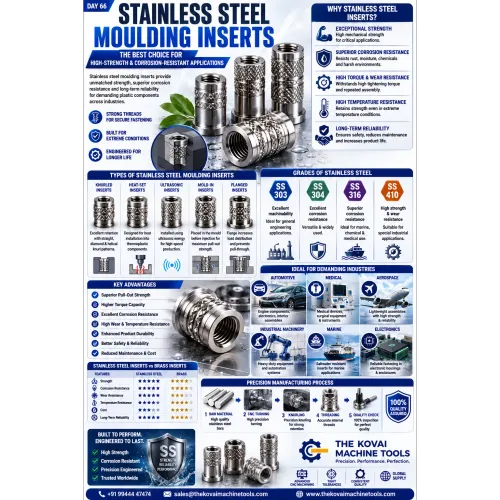
Stainless Steel Rivet Nuts
- Excellent corrosion resistance
- Outdoor applications
- Harsh environments
Aluminum Rivet Nuts
- Lightweight applications
- Corrosion resistant
- Easy installation
Brass Rivet Nuts
- Electrical conductivity
- Corrosion resistance
- Specialized applications
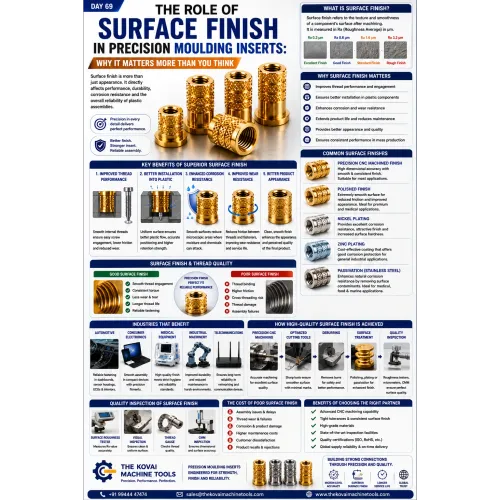
Surface Finishing Importance
Surface coatings improve:
✔ Corrosion resistance
✔ Appearance
✔ Product life
Common finishes include:
- Zinc plating
- White/Blue passivation
- Nickel plating
Applications of M4 Rivet Nuts
Automotive Industry
Used in:
- Body panels
- Interior systems
- Electrical mounting points
Electrical & Electronics
Used in:
- Control panels
- Electrical cabinets
- Device enclosures
Furniture Industry
Used in:
- Metal furniture assemblies
- Modular systems
Industrial Equipment
Used in:
- Machine panels
- Structural assemblies
- Fabricated components
Benefits for Manufacturers
Using precision M4 rivet nuts helps manufacturers achieve:
✔ Faster assembly processes
✔ Reduced rework
✔ Strong fastening reliability
✔ Better production efficiency
Benefits for End Customers
Customers benefit from:
✔ Durable fastening
✔ Reduced maintenance
✔ Easy repairability
✔ Long product life
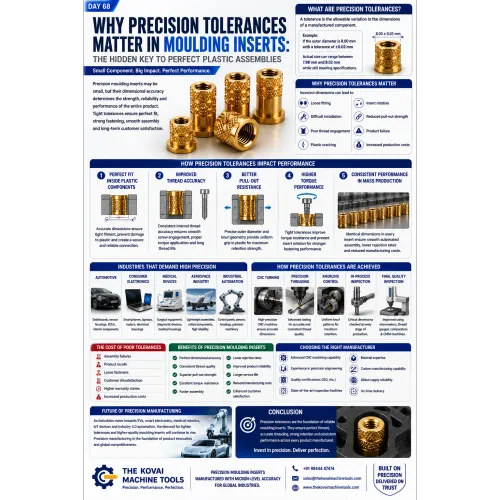
Importance of Precision Manufacturing
High-quality M4 rivet nuts require:
- Accurate threading
- Controlled wall thickness
- Precision deformation design
- Consistent dimensional accuracy
Precision ensures:
- Secure installation
- Strong grip strength
- Reliable long-term performance
Problems with Low-Quality Rivet Nuts
Poorly manufactured rivet nuts may cause:
- Loose installation
- Thread failure
- Rotation during tightening
- Corrosion issues
- Product rejection
This can increase manufacturing and maintenance costs.
Future Demand for Rivet Nuts
The demand for rivet nuts is growing rapidly due to:
- Lightweight engineering
- Electric vehicle manufacturing
- Sheet metal fabrication
- Industrial automation
As industries move toward compact and lightweight assemblies, rivet nuts will continue to be a critical fastening solution.
Conclusion
M4 rivet nuts are highly effective fastening components for thin-sheet and lightweight applications.
Their ability to provide:
✔ Strong internal threads
✔ Reliable fastening
✔ Easy installation
✔ Long service life
makes them an essential component across modern industries.
Choosing precision-manufactured rivet nuts ensures better product quality, stronger assemblies, and long-term reliability.
Keywords